Skip to content

Hot Weather at Work

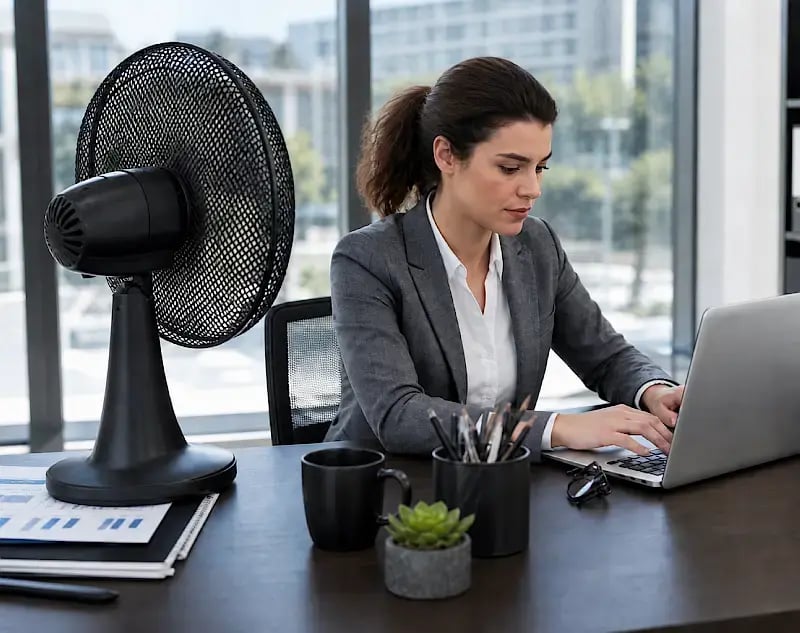
Hot weather and heatwaves can create significant health, safety and operational risks in the workplace. Anyone can be affected by extreme heat, particularly those undertaking physical work, working outdoors or wearing PPE. This course explains the risks associated with hot weather, how to identify those most at risk, the difference between heat exhaustion and heatstroke, and the practical steps employees and managers can take to reduce risks and stay safe. It also covers heat-health alerts, reporting responsibilities and the Company's procedures for managing hot weather at work.
  • 20 Minutes
  • For all staff

Learning objectives

  • Recognise the risks associated with hot weather
  • Explain the personal safety risks due to hot weather and heat stress
  • Identify who is most at risk of heat-related illness
  • Recognise the signs of heat exhaustion and heatstroke
  • Be proactive and take appropriate action to stay safe in hot weather
  • Recognise heat-health alerts and our Company's procedures

Start your compliance e-learning journey with a free trial

Our no-obligation free trial gives you access to our libraries and compliance platform. 

Ready to start your free trial? Complete the form, and a member of the Skillcast team will be in touch with further details.

Your questions, answered

How can I log and track work-related injuries, accidents and dangerous occurrences?

Our RIDDOR Registers allow you to securely record and track work-related injuries and dangerous occurrences, ensuring compliance with the Reporting of Injuries, Diseases, and Dangerous Occurrences Regulations (RIDDOR). This tool helps you monitor incidents, maintain an accurate audit trail, and take proactive steps to prevent future incidents.

How can I ensure my employees’ workstation setups comply with health and safety regulations?

Our DSE (Display Screen Equipment) Assessment tool helps you evaluate employees' workstation setups to ensure they meet health and safety standards. It guides employees through an easy-to-use self-assessment, identifying risks related to posture, screen positioning, and seating. Administrators can review flagged issues and take necessary actions to ensure compliance.

How can I measure and improve employee wellbeing in relation to health and safety?

Our Employee Wellbeing Survey helps you assess factors affecting employee health, including stress, mental wellbeing, and physical health. This anonymous survey provides valuable insights to inform wellbeing initiatives and create a healthier, more supportive work environment.

How does an Health and Safety Management System aid compliance?

A health and safety management system ensures risk assessments and related procedures and policies meet legal and regulatory requirements.

How do you measure the effectiveness of an Health and Safety Management System?

Through inspections, audits, incident reports and tracking leading (preventive) and lagging (reactive) indicators.